
Loading...
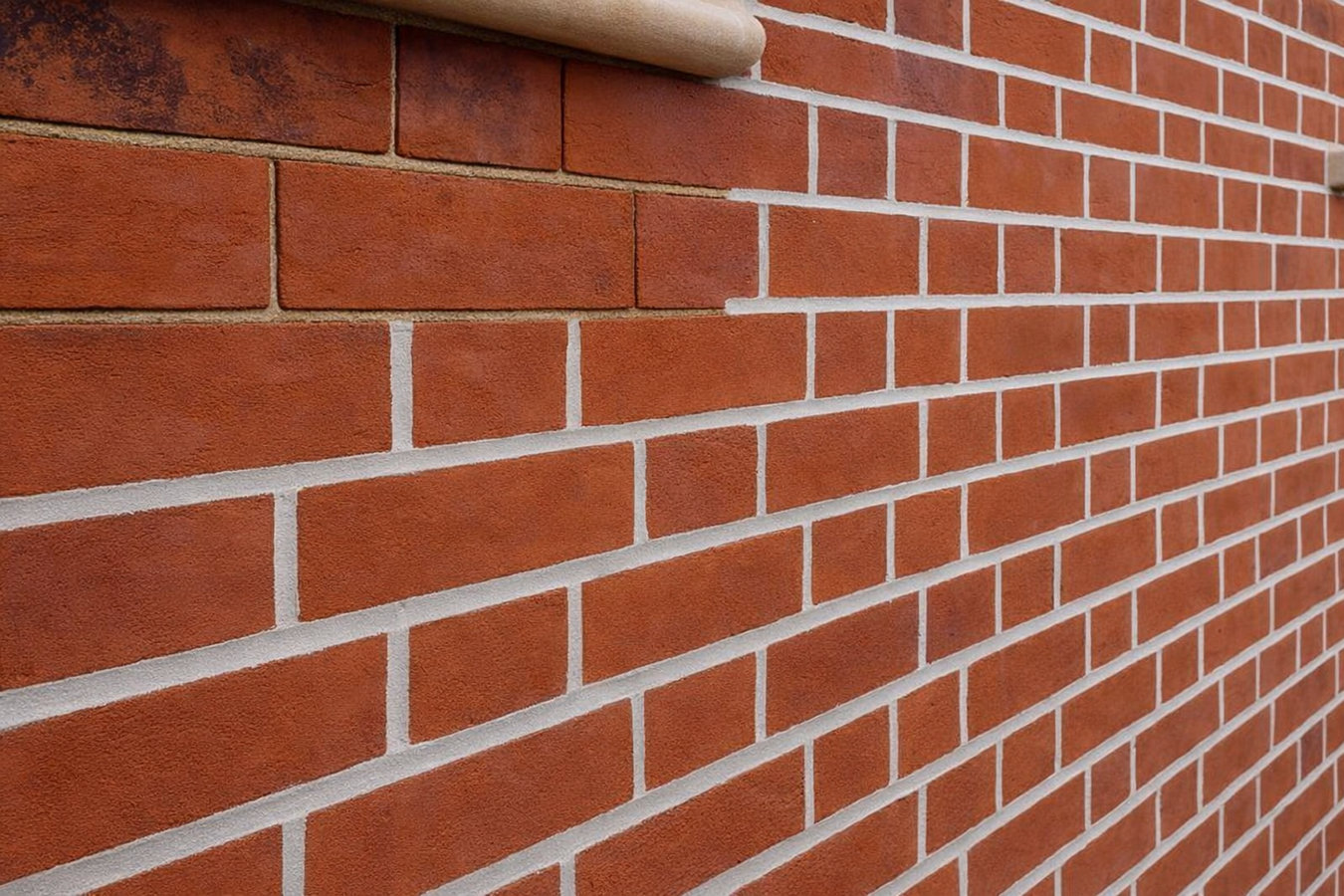
Crumbling mortar between your bricks lets water in and damage spreads fast in Lehigh Acres wet season. We replace worn joints with fresh mortar, matched to your wall color, so your masonry stays solid for decades.
Brick pointing in Lehigh Acres is the process of removing the old, crumbling mortar between your bricks and replacing it with fresh material - most standard residential jobs take one to two days depending on how much of the wall needs attention. EZ Lehigh Acres Masonry removes the old mortar to the proper depth using hand tools or a grinder, then packs in new mortar matched to your existing color and textured to shed water cleanly. The work is scheduled during Lehigh Acres dry season when possible - roughly October through May - so the new mortar cures properly without getting soaked by Florida summer rains before it has fully hardened. For homeowners dealing with other types of masonry wear, brick pointing pairs naturally with masonry restoration on older homes where multiple parts of the structure need attention at the same time.
Mortar is designed to be softer than brick so it absorbs movement and weather stress instead of the bricks themselves cracking. That means it wears out first, usually after 20 to 30 years, and needs to be replaced even when the bricks still look fine. In Lehigh Acres, where the combination of heat, humidity, and heavy rain is hard on mortar, this timeline is often on the shorter end.
Run your finger along the lines between your bricks. If the material feels soft, crumbly, or comes away in pieces, the mortar has broken down. This is the clearest sign that pointing is overdue, and it is something you can check yourself in five minutes without calling anyone.
Lehigh Acres gets intense summer storms, and if water is finding its way through failing mortar joints, you may notice damp patches or discoloration on the inside of an exterior wall. This is a sign that the mortar is no longer doing its job of keeping moisture out - and the longer it goes unaddressed, the more damage builds up inside the wall.
If any section of your brick wall looks slightly uneven or bowed outward, that is a sign that water has gotten behind the bricks and the wall structure is being compromised. This is more serious than surface mortar wear and needs a professional assessment right away before the wall fails.
In Lehigh Acres, the combination of heavy summer rain and sandy soil can cause subtle ground movement. If you see fresh cracks in your mortar joints each fall - after the rains have passed - that is a pattern worth taking seriously. It means the joints are under stress and are likely to keep opening up until they are properly repaired.
We replace failing mortar joints on exterior brick and stone walls, columns, chimneys, and decorative masonry features. The process is the same no matter what the feature is: remove the old material deeply enough to get to solid material underneath, pack in fresh mortar color-matched to the existing wall as closely as possible, and smooth the surface to shed water cleanly. Most homeowners call when they notice crumbling joints or water stains after a storm. Some call because the home is 20 or 30 years old and the mortar has never been replaced - even if it does not look obviously bad yet, it is often at or past the end of its useful life. Catching it before water gets behind the bricks is almost always cheaper than waiting until you see interior damage.
For older Lehigh Acres homes built during the 1960s development era, brick pointing is often part of a broader effort to bring the exterior back to solid condition. In those cases, we work alongside foundation repair if there are signs that soil movement has caused settlement cracks in both the foundation and the wall above it. Addressing both at the same time means the wall stays stable long-term instead of cracking again in a few years.
Right for homeowners with a brick exterior wall where the mortar joints have worn out but the bricks themselves are still solid.
Suited for homeowners with a brick chimney where the mortar has crumbled from exposure to heat, rain, and decades of expansion and contraction.
The option for homeowners with brick columns, mailbox surrounds, or garden walls where the mortar has failed and water is getting in.
Lehigh Acres sits in Lee County, where year-round heat and humidity accelerate mortar breakdown. Summer temperatures regularly push into the low 90s and humidity stays high for months at a time. That combination of heat and moisture causes mortar to expand, contract, and eventually crack faster than it would in a drier climate - which is why homeowners here may find they need pointing work sooner than the national average suggests. The rainy season, which runs roughly from June through September, also creates a scheduling challenge: fresh mortar needs at least 24 to 48 hours without rain to cure properly, so most contractors in the area prefer to schedule pointing work in the drier months between October and May. Sandy, shifting soil in this area puts extra stress on masonry walls - the ground can move subtly after heavy rain, causing small cracks to open up even in walls that look solid.
Homeowners across Southwest Florida deal with the same heat, humidity, and rainy season scheduling constraints. We regularly serve clients in Fort Myers and Cape Coral, where the same mortar prep standards and dry-season timing applies to every pointing job we complete.
We reply within one business day. Describe what you are seeing - crumbling joints, water stains, cracks - and we will schedule a time to come take a look. There is no charge for the visit or the estimate.
We walk around your home and look closely at the mortar joints - checking how deep the damage goes, whether any bricks are loose, and how much of the wall needs attention. This visit is where you get a written estimate. We walk you through what we found and why we are recommending what we are.
Before the crew arrives, you clear anything close to the wall - patio furniture, potted plants, vehicles. The crew uses grinders and hand tools to carefully remove the old mortar from the joints - going deep enough to get to solid material underneath. This is the noisiest part of the job and also the most important step.
Once the joints are cleaned out, the mason packs in fresh mortar by hand, pressing it firmly into each joint. We smooth and shape the surface so it sheds water cleanly. The color is matched as closely as possible to your existing mortar. Fresh mortar needs at least 24 to 48 hours to cure without getting wet before the wall is ready.
Free estimate. No obligation. We reply within one business day.
(239) 230-9550The most important part of a pointing job is removing the old mortar deeply enough before the new material goes in - at least three-quarters of an inch. A crew that just skims new mortar over the top of old, failing material is the reason most pointing jobs fail within a year or two in Florida. We remove to the right depth every time.
A pointing job that stands out in patches because the color is off affects your home curb appeal in a bad way. We assess your existing mortar color and mix or select a product that blends in as closely as possible. It will not always be a perfect match on an older home, but we get close enough that the repair does not look obvious.
Fresh mortar needs at least a day or two without rain to cure properly. Lehigh Acres gets daily afternoon storms from June through September, which makes that hard to guarantee. We schedule most of our pointing work in the dry season - October through May - so the mortar has the conditions it needs to bond correctly and last decades.
Florida requires masonry contractors to hold a state license. You can verify our status in under two minutes at the Florida DBPR website. A licensed contractor means the state has reviewed our qualifications and gives you legal recourse if something goes wrong on your property.
Every pointing job we do in Lehigh Acres comes down to the same two things: removing the old mortar deeply enough so the new material has something solid to bond to, and timing the work so the mortar cures properly. Get those right and the result lasts 20 to 30 years.
Full restoration of older brick and stone features, addressing structural issues, mortar joint failure, and weather damage in one coordinated project.
Learn moreStabilize and repair your home foundation when settling or cracking caused by sandy soil has led to movement in your brick or block walls.
Learn moreThe dry season books up fast - reach out now so your walls are sealed before the summer rains return.