
Tuckpointing & Repointing Services
Restore your brick walls and stop water damage with expert tuckpointing and repointing that makes old mortar joints look and perform like new.
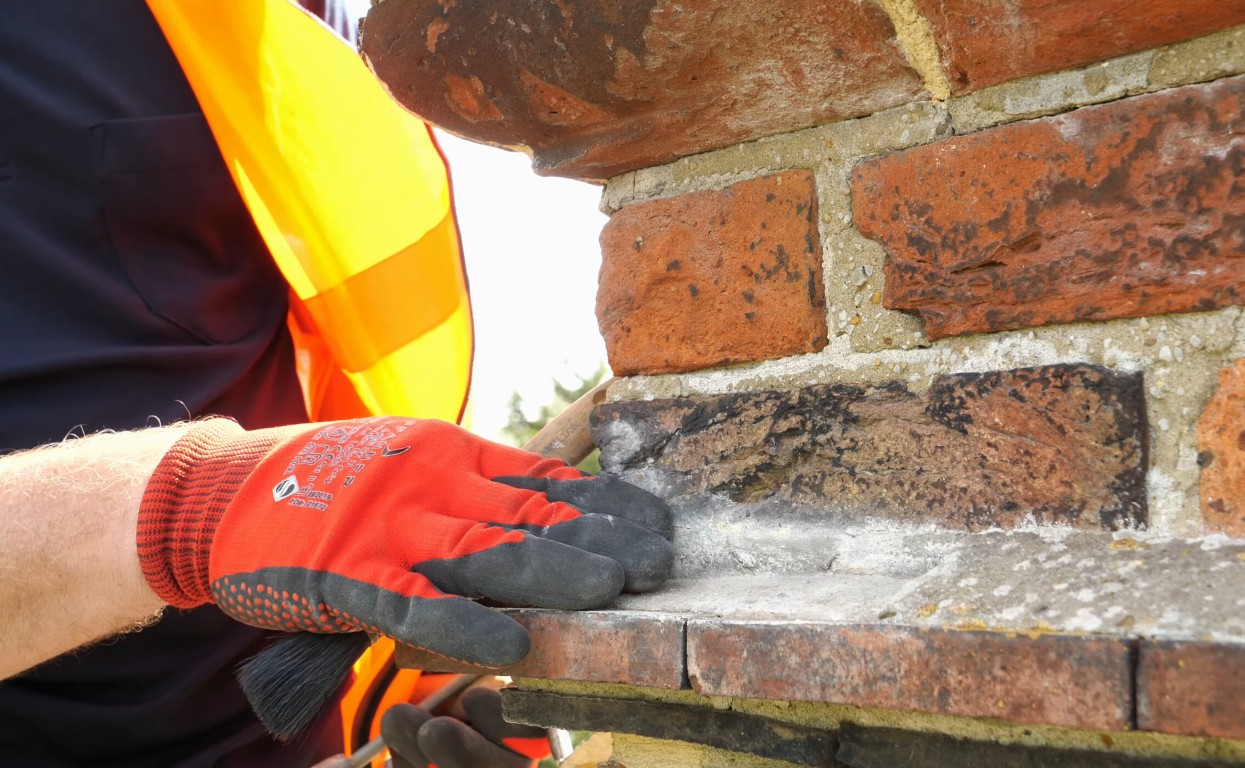
What is Tuckpointing and Why Your Walls Need It
Mortar is the glue that holds your brick walls together. Over time, weather beats it down until it starts crumbling away. When you see gaps between bricks or white powder on your walls, that is your mortar calling for help. This process of removing old mortar and filling joints with fresh material is called tuckpointing or repointing.
Here in Lehigh Acres, FL, our weather puts serious stress on mortar joints. Summer heat expands the materials, winter cold contracts them, and heavy rains wash away weakened mortar. This constant cycle of expansion and contraction creates tiny cracks that grow bigger each year. What starts as a small cosmetic issue quickly becomes a structural problem that threatens your entire wall.
The difference between tuckpointing and repointing is mostly technical. Repointing means removing damaged mortar and replacing it with new mortar that matches. Tuckpointing goes a step further by using two colors of mortar to create fine lines that make joints look perfectly uniform. Most people use the terms interchangeably, and both processes protect your walls from water damage and structural failure.
Waiting too long to repoint your walls costs you more in the long run. Water seeps through damaged joints and gets behind your bricks. This trapped moisture causes bricks to spall and crack, forcing you to replace entire sections instead of just fixing the mortar. At EZ Lehigh Acres Masonry, we catch these problems early before they spiral out of control.
How to Tell When Your Walls Need Repointing
Most homeowners do not think about their mortar until they see obvious problems. But catching deterioration early saves thousands in repair costs. Here are the warning signs that tell you it is time to call for professional tuckpointing services.
Crumbling and Missing Mortar
Run your hand along your brick wall. If mortar feels soft or crumbles when you touch it, that joint has lost its strength. You might also see gaps where mortar has fallen out completely. This leaves bricks loose and unstable. Once mortar deteriorates this far, it no longer protects against water intrusion or holds bricks securely in place.
White Powder on Brick Surfaces
That white crusty substance on your bricks is called efflorescence. It happens when water moves through your wall and brings salts to the surface. While efflorescence itself is not dangerous, it signals that water is penetrating your mortar joints. This moisture will eventually cause more serious damage if you do not address the failing mortar.
Cracks in Mortar Joints
Even hairline cracks let water seep into your wall system. These cracks widen over time as water freezes and expands during cold nights. Florida does not get much freezing weather, but temperature swings and heavy rains still exploit these weak points. Small cracks today become missing chunks of mortar tomorrow.
Water Stains Inside Your Home
If you see water stains on interior walls that back up to exterior brick, your mortar joints are probably failing. Water travels through deteriorated mortar and shows up inside where it damages drywall, insulation, and framing. By the time you see interior water damage, the mortar problem has been growing for months or years. Immediate repointing prevents further damage to your home's interior.
How We Restore Your Mortar Joints
Quality tuckpointing takes skill and the right materials. We do not just slap new mortar over old joints and call it done. Our systematic approach ensures repairs that last 20 to 30 years instead of failing after just a few seasons.
Here is exactly how we restore your brick walls:
- Inspect all mortar joints to determine damage extent and required depth
- Remove deteriorated mortar carefully to avoid damaging surrounding bricks
- Clean joints thoroughly to ensure proper bonding of new mortar
- Mix mortar to match your wall's original color and strength
- Fill joints in layers, compacting each layer for maximum strength
- Tool joints to match your wall's existing profile and appearance
- Cure mortar properly to prevent cracking and ensure long-term durability
The most critical part of repointing is matching the mortar correctly. Using mortar that is too hard can actually crack your bricks because it does not flex with temperature changes. Mortar that is too soft washes away quickly and leaves you right back where you started. We analyze your existing mortar and create a custom mix that matches both strength and color.
Many contractors rush this work and create problems instead of solving them. They grind out mortar with power tools that damage brick edges. They skip proper cleaning that ensures good bonding. They use premixed mortar that does not match your wall. We take the time to do it right because we stand behind our work. Whether you need complete wall restoration or targeted repairs, our attention to detail shows in results that last. If you need other brick restoration services, we handle those too.
Protecting Your Investment After Repointing
Fresh mortar needs time to cure properly. We recommend keeping the wall damp for several days after we finish. This slow curing process creates stronger joints that resist cracking and last longer. We provide specific care instructions based on the weather conditions during your project.
After your mortar cures, simple maintenance extends its life significantly. Keep gutters clean so water drains away from your walls instead of pouring over them. Trim bushes and trees back from brick surfaces to improve air circulation. This prevents constant moisture that accelerates mortar deterioration.
Inspect your walls annually for new cracks or soft spots. Catching small problems early means quick repairs instead of extensive repointing. Look especially at areas that get heavy sun exposure or stay damp after rains. These spots deteriorate faster and need more frequent attention.
Some homeowners ask about sealing their brick after repointing. Sealers can help in certain situations, but they can also trap moisture and cause more harm than good. We evaluate your specific wall conditions and recommend sealing only when it truly benefits your situation. Our advice always focuses on what protects your property best, not what makes us extra money. If you notice problems with your chimney mortar joints, those need the same careful attention we give to your walls.
Stop Water Damage Before It Starts
Get a free mortar inspection and learn exactly what your walls need. We will show you the problems and explain your options with no pressure to buy.
Call (239) 230-9550